Sally Lunn
Sally Lunn Bread is one of those recipes that feels like it has been passed down in the family through… The post Sally Lunn appeared first on Recipe Girl®.



Sally Lunn Bread is one of those recipes that feels like it has been passed down in the family through many generations.
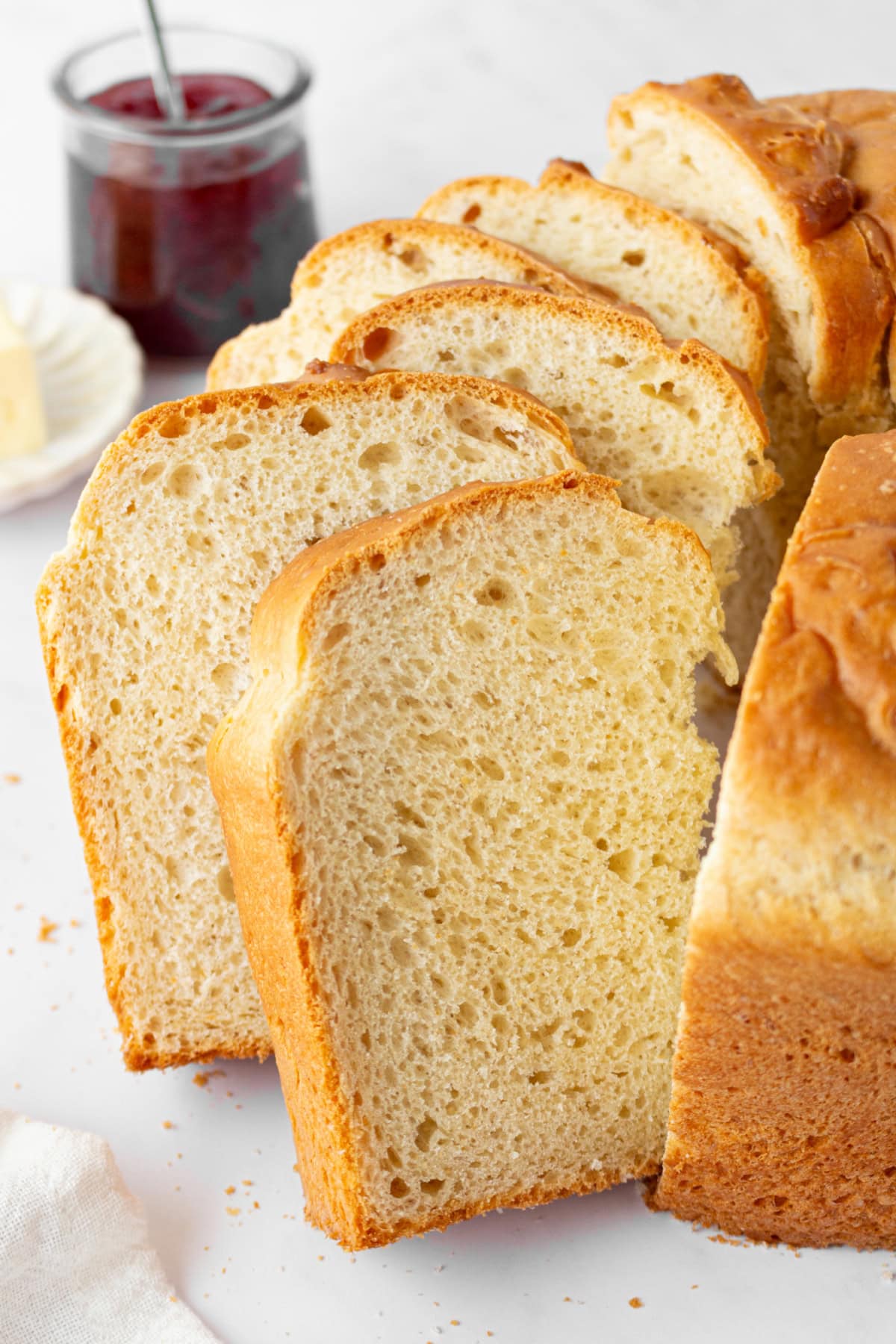
It’s soft, slightly rich, lightly sweet and baked in a tall, golden loaf that makes it a little different from your everyday bread. Slice it warm, add butter (and maybe a little strawberry jam), and you’ll understand why this old-fashioned yeast bread favorite has stuck around for so long.
If you love baking homemade yeast breads, you might also consider trying our recipes for English muffin bread, Dutch oven bread and sweet challah bread.
The Story Behind Sally Lunn Bread
Sally Lunn bread isn’t just a recipe—it has a bit of history behind it.
The bread is believed to have originated in Bath, England in the 1700’s, where a woman named Sally Lunn (possibly a French Huguenot baker originally named Solange Luyon) became known for baking a rich, brioche-like bread.
Her version was lighter and softer than traditional breads of the time, and it quickly became popular. Over the years, the recipe made its way to America, where it evolved into the version we know today—slightly sweet, tender and often baked in a tube pan for that signature shape.
What is Sally Lunn Bread?
This isn’t quite bread… and it’s not quite cake.
It lands somewhere in between. It’s softer and richer than standard bread. It’s lightly sweet, but not dessert-level. And it has a light, airy texture with a tender crumb. It’s perfect for slicing thick and serving warm.
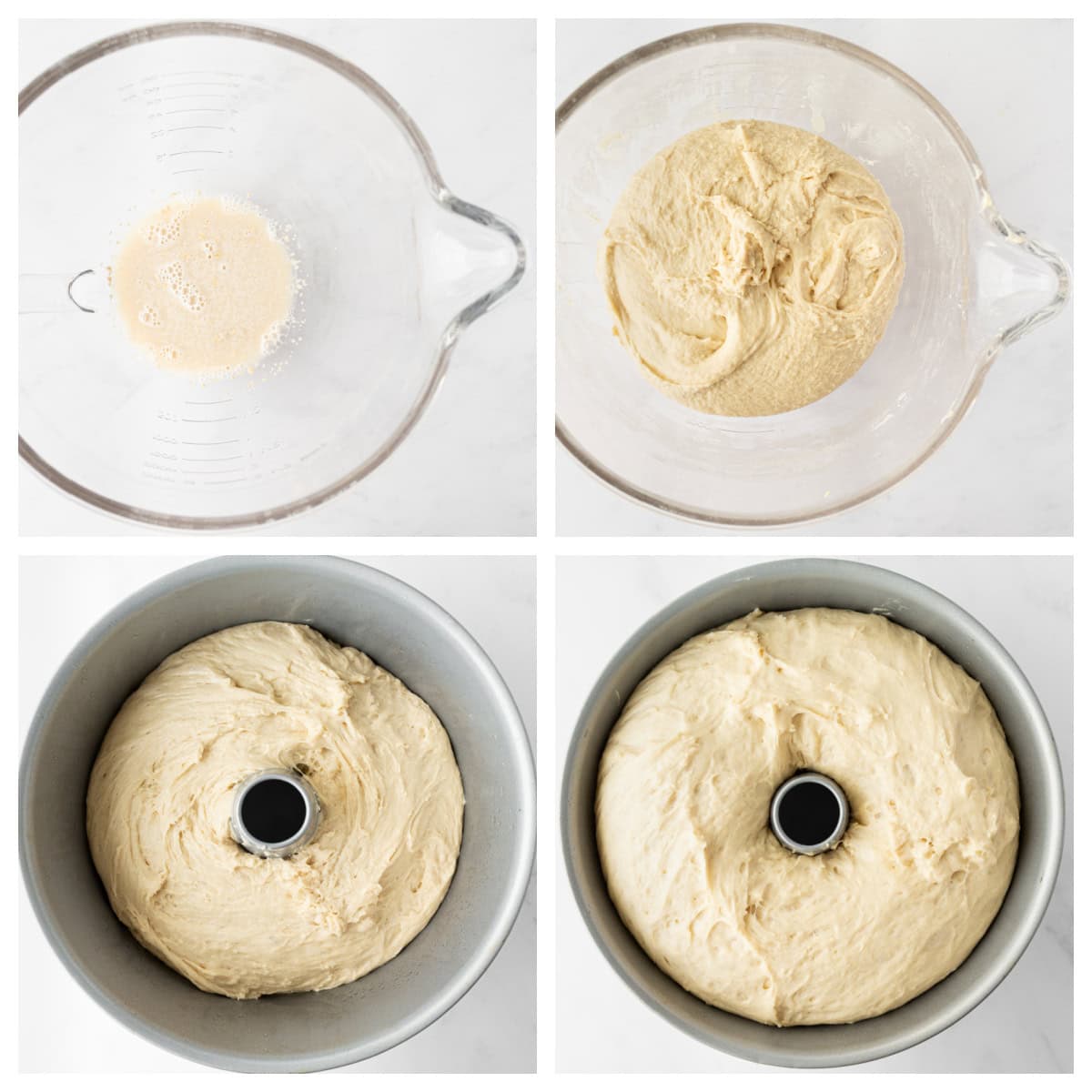
The Texture (This Is What You’ll Notice First)
This bread bakes up golden on the outside, soft and fluffy inside, and it’s slightly buttery with a delicate crumb. It tastes just as good plain as it does when it’s dressed up with butter and jam.
Why It’s Baked in a Tube Pan
The tube pan isn’t just for looks. It helps the dough bake evenly and create that tall, classic shape. And it allows more surface area to develop that golden crust.
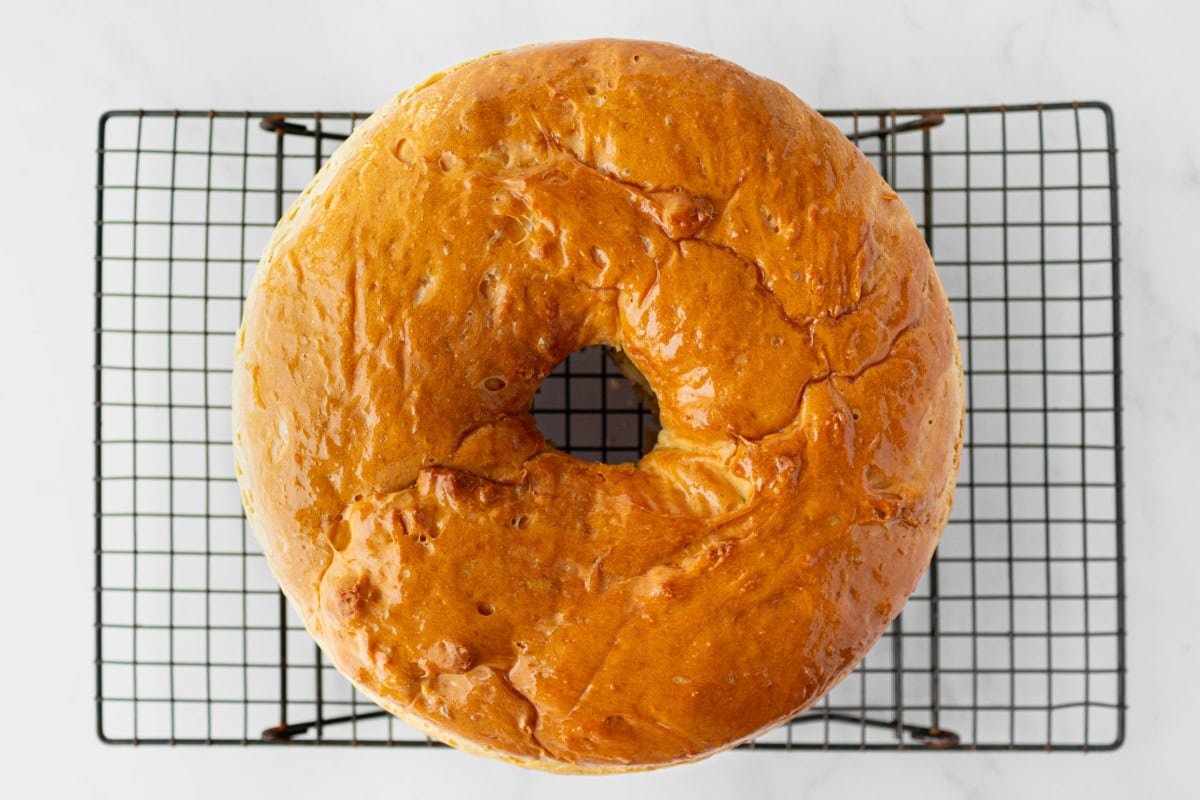
Recipe Tips
- Use properly warm liquids: Too hot can kill the yeast—too cool won’t activate it.
- Let it rise fully: This is what gives you that light texture.
- Don’t rush the second rise: It helps create that signature height.
- Remove from the pan right away: Prevents the crust from getting soggy.
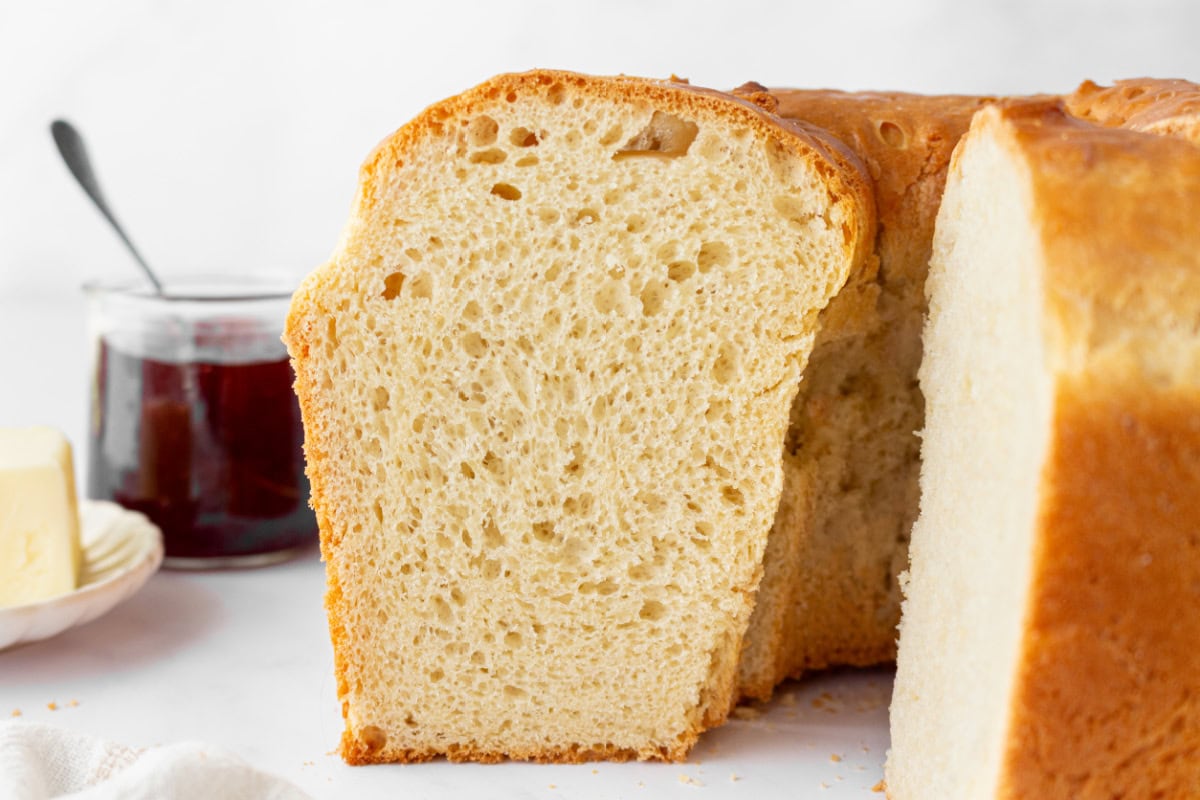
How to Serve It
Sally Lunn bread is perfect for serving at brunch (alongside a quiche), holidays mornings, afternoon tea or even just as the bread served with a home-cooked meal like beef stew.
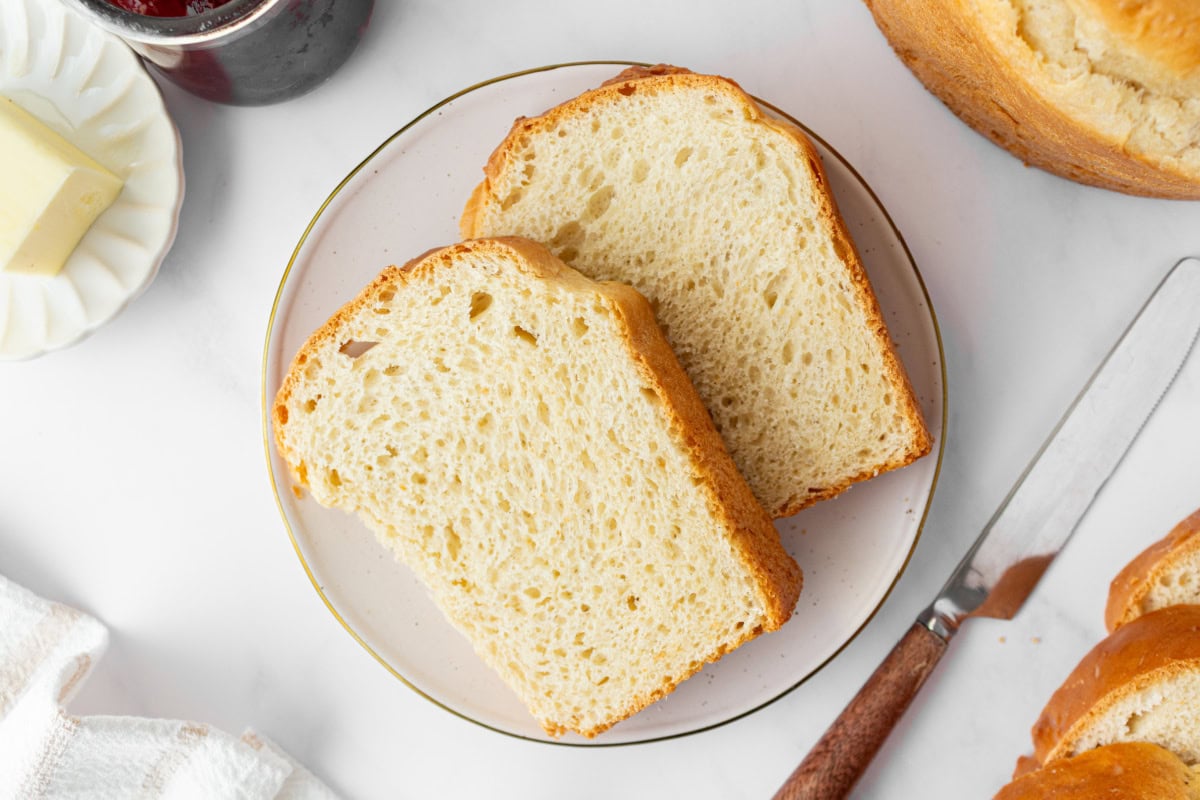
Serve it warm with softened butter, and it’s wonderful served with jam or honey. It’s pretty delicious when toasted too, so consider that if it’s a day or two old.
What's Your Reaction?