
Ghana’s power challenges could last two more years – Energy Analyst warns
Energy analyst Kwadwo Nsafoah Poku has warned that Ghana could continue experiencing power challenges for at least two more years, blaming inadequate investment in electricity transmission infrastructure over the past two years. He says the country is unlikely to see immediate relief, even if the government releases funds for new transmission projects, because the process […] The post Ghana’s power challenges could last two more years – Energy Analyst warns appeared first on The Ghana Report.
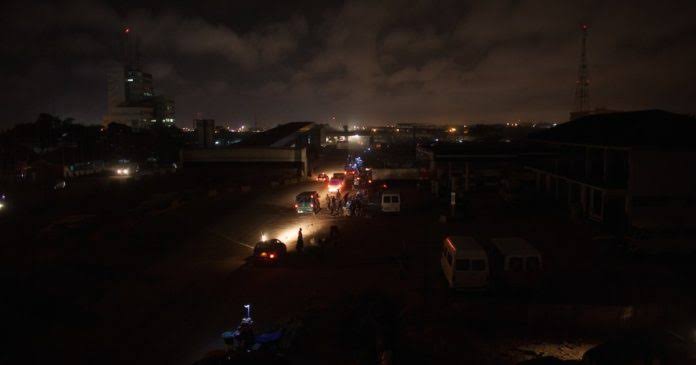


Energy analyst Kwadwo Nsafoah Poku has warned that Ghana could continue experiencing power challenges for at least two more years, blaming inadequate investment in electricity transmission infrastructure over the past two years.
He says the country is unlikely to see immediate relief, even if the government releases funds for new transmission projects, because the process of awarding contracts and completing such infrastructure takes considerable time.
Speaking in an interview, Mr Poku said the lack of investment in the transmission network has contributed to the current power challenges and continues to affect the reliability of electricity supply.
“The problem is the lack of investment in the last two years in the transmission,” he said.
He warned that Ghanaians should not expect the situation to improve quickly, insisting that the country could face the difficulties for another two years.
“Immediately, we are going to have this problem for the next two years. Two years,” he said.
His comments come as the government plans to invest in electricity transmission infrastructure under the 2027 Budget.
Mr Poku referred to the GH¢500 million allocation announced by the Energy Minister for transmission infrastructure under the government’s New Economy programme, but questioned how quickly the money would translate into completed projects and improved power supply.
He argued that releasing funds alone would not solve the problem immediately, as transmission projects require time to secure contracts, undertake construction and become operational.
“Today, if you’re going to give money to GRIDCo in 2027, how long do you think something will take?” he asked.
Funding concerns and delays in transmission projects
Mr Poku also questioned the government’s decision to cancel an agreement with German development bank KfW and the delay in utilising a US$50 million World Bank funding arrangement intended to support transmission infrastructure.
He said the government inherited two funding agreements when it took office in January 2025, but the cancellation of the KfW arrangement had raised concerns about how the necessary transmission projects would be financed.
He further questioned why the World Bank funding had not been acted upon, arguing that Ghana could not afford further delays in addressing weaknesses in its electricity transmission network.
To illustrate how long such projects take to complete, he cited the K1 and K2 transmission lines, which he said were awarded in July 2024 but are still undergoing work.
The projects include the Anwomaso–Ahodwo transmission line, which he said had not been fully completed despite the contract being awarded more than two years ago.
Mr Poku said the timeline for the projects demonstrated why new funding announcements should not be mistaken for immediate improvements in electricity supply.
“We awarded the K1 and K2 they are talking about in July 2024. You are talking about a shutdown three days ago to now operationalise that line,” he said.
He maintained that even if fresh funding were made available to the Ghana Grid Company (GRIDCo), the development and completion of transmission infrastructure would take considerable time.
He therefore cautioned that the current power challenges could persist in the short term, stressing that Ghana needs sustained investment and timely execution of transmission projects rather than relying on budget allocations alone to resolve the problem.
The post Ghana’s power challenges could last two more years – Energy Analyst warns appeared first on The Ghana Report.
What's Your Reaction?