
Scientists reveal they may have got theory of human evolution WRONG
Fresh research into one of palaeontology's most celebrated discoveries suggests humanity's evolutionary story is far more tangled than scientists long believed. An international team has re-examined the Taung Child, a skull found in South Africa in 1924 that first proved human origins lay in Africa.Their analysis, published in npj Palaeoecosystems, dates the fossil to between 2.96 and 3.03 million years ago, a period of significant environmental upheaval across the region."For over 100 years, we assumed the Taung Child was just one of many similar fossils from the era," said Professor Gabriele Macho of Vrije Universiteit Brussel. TRENDING Stories Videos Your Say She added: "Our findings turn that on its head. The human family tree wasn't a neat, straight trunk — it was a chaotic, tangled bush driven by climate shifts."To reach their conclusions, the researchers scrutinised the structure of the child's teeth and compared its brain and dental growth with patterns observed in other
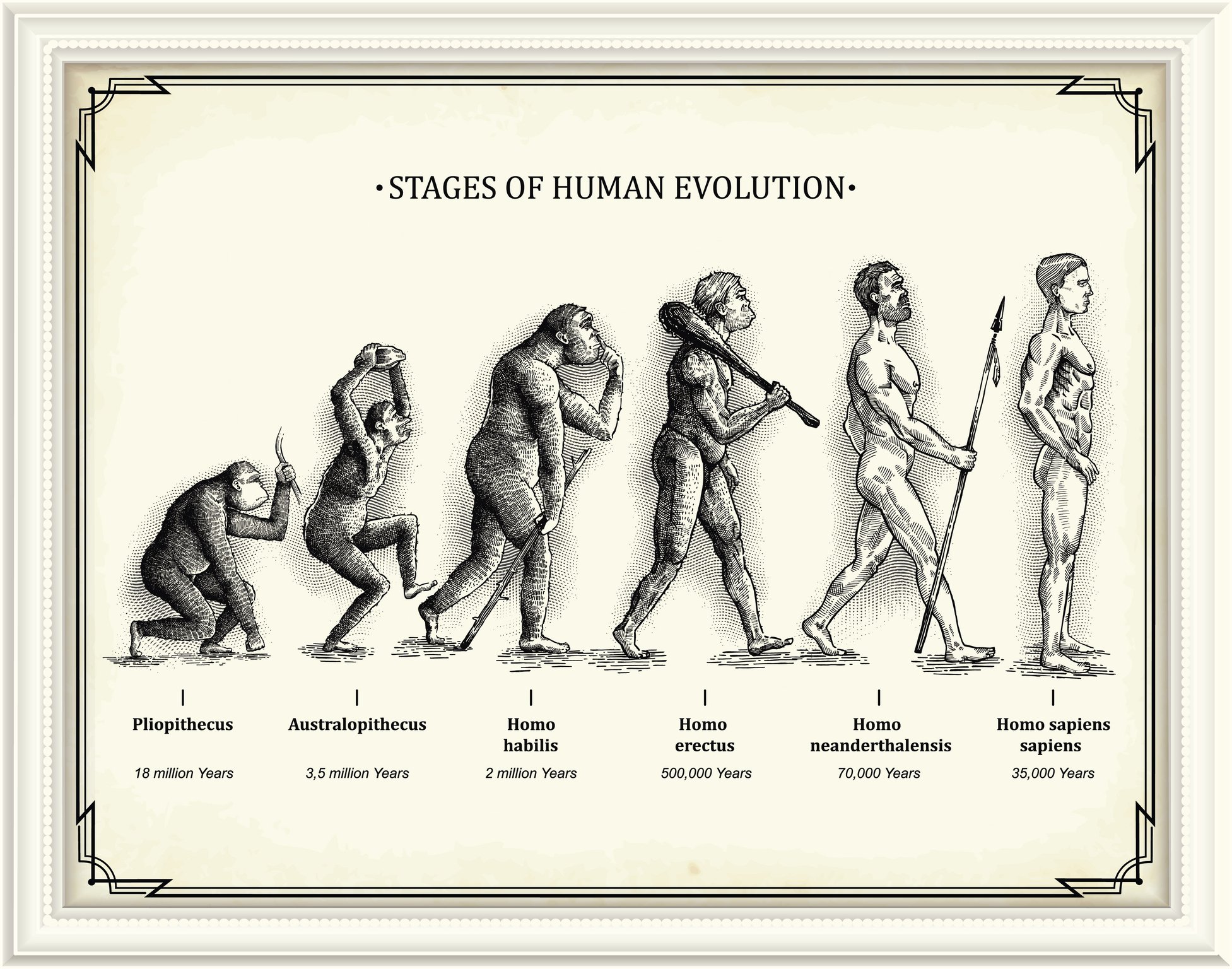


Fresh research into one of palaeontology's most celebrated discoveries suggests humanity's evolutionary story is far more tangled than scientists long believed.
An international team has re-examined the Taung Child, a skull found in South Africa in 1924 that first proved human origins lay in Africa.
Their analysis, published in npj Palaeoecosystems, dates the fossil to between 2.96 and 3.03 million years ago, a period of significant environmental upheaval across the region.
"For over 100 years, we assumed the Taung Child was just one of many similar fossils from the era," said Professor Gabriele Macho of Vrije Universiteit Brussel.
She added: "Our findings turn that on its head. The human family tree wasn't a neat, straight trunk — it was a chaotic, tangled bush driven by climate shifts."
To reach their conclusions, the researchers scrutinised the structure of the child's teeth and compared its brain and dental growth with patterns observed in other early human relatives.
The results upended longstanding assumptions about fossils that have for decades been classified under a single species label.
Crucially, the study does not argue that the Taung Child itself was misidentified.

Instead, it indicates that many other specimens may have been incorrectly lumped together with it as members of Australopithecus africanus.
Variations in brain development proved especially notable.
These differences led the team to propose that several hominin species could have existed simultaneously, or in succession, within the well-known Sterkfontein region of South Africa.
Rather than hosting one ancestral lineage, southern Africa may have supported a diverse array of closely related groups.
LATEST DEVELOPMENTS
- Nasa spacecraft just days away from reaching historic milestone: 'Astonishing!'
- Scientist reveals 'compelling evidence' the testimony of Jesus Christ rising from the dead is TRUE
- British scientists make 'thrilling' one-in-10-billion discovery after 40 years of searching

According to the researchers, recurring oscillations between wetter and drier conditions reshaped the landscape, repeatedly cutting off populations from one another.
When habitats shrank and expanded, early human relatives were forced to migrate, confront unfamiliar predators and diseases, and sometimes interbreed with neighbouring groups.
Southern Africa's position at a junction between tropical and temperate zones was pivotal, the team argues.
This geography created repeated opportunities for populations to fragment and later reconnect across thousands of generations.
Fossilised pollen evidence offers a striking glimpse of the Taung Child's world.
Far from the arid terrain found in parts of modern South Africa, the area roughly three million years ago appears to have been much wetter and covered by denser forest.
Taken together, the findings undermine the central assumptions in human evolution that fossils from this era can be tidily categorised into a handful of ancestral species.
The researchers contend that multiple human relatives likely inhabited southern Africa simultaneously around three million years ago.
The team stressed that the Taung Child, as the original physical example, or holotype, of Australopithecus africanus, must remain central to future investigations into our origins.
Unravelling the forces behind such species diversity, they acknowledged, will be difficult but essential for tracing the emergence of the genus Homo.
The child is now widely estimated to have been roughly 3.3 years old when it died, based on detailed study of tooth development and enamel growth.
Earlier estimates of around five to seven years have largely been revised downward.
Our Standards: The GB News Editorial Charter
What's Your Reaction?