Canva Builds Its Own AI Image Model as Competition for Creative Tools Intensifies
Canva Craft is designed to improve image composition, text rendering and editing while giving the design platform greater control over its AI technology. Canva has launched Canva Craft, its first in-house image-generation model, as the design platform deepens its investment in artificial intelligence and competes with technology companies building their own creative tools. Announced on […]


Canva Craft is designed to improve image composition, text rendering and editing while giving the design platform greater control over its AI technology.
Canva has launched Canva Craft, its first in-house image-generation model, as the design platform deepens its investment in artificial intelligence and competes with technology companies building their own creative tools.
Announced on October 22, 2026, Craft was developed and trained by Canva Research, the company’s internal AI research team. Canva says the model can generate images at resolutions of up to 2K, across more than 30 aspect ratios, with a particular focus on composition, visual hierarchy and text rendering.
The release is more than another image generator entering a crowded market. It signals Canva’s effort to build more of the technology behind its creative platform itself, potentially giving it greater control over the quality, speed and cost of AI-powered design.
A model designed around the finished design
Many image-generation tools begin with a prompt and produce an image directly. Canva says Craft uses a two-stage approach.
First, a planning model interprets the prompt and determines the composition, including the placement and relative size of elements, visual hierarchy and the text that should appear. A separate rendering model then turns that plan into an image.
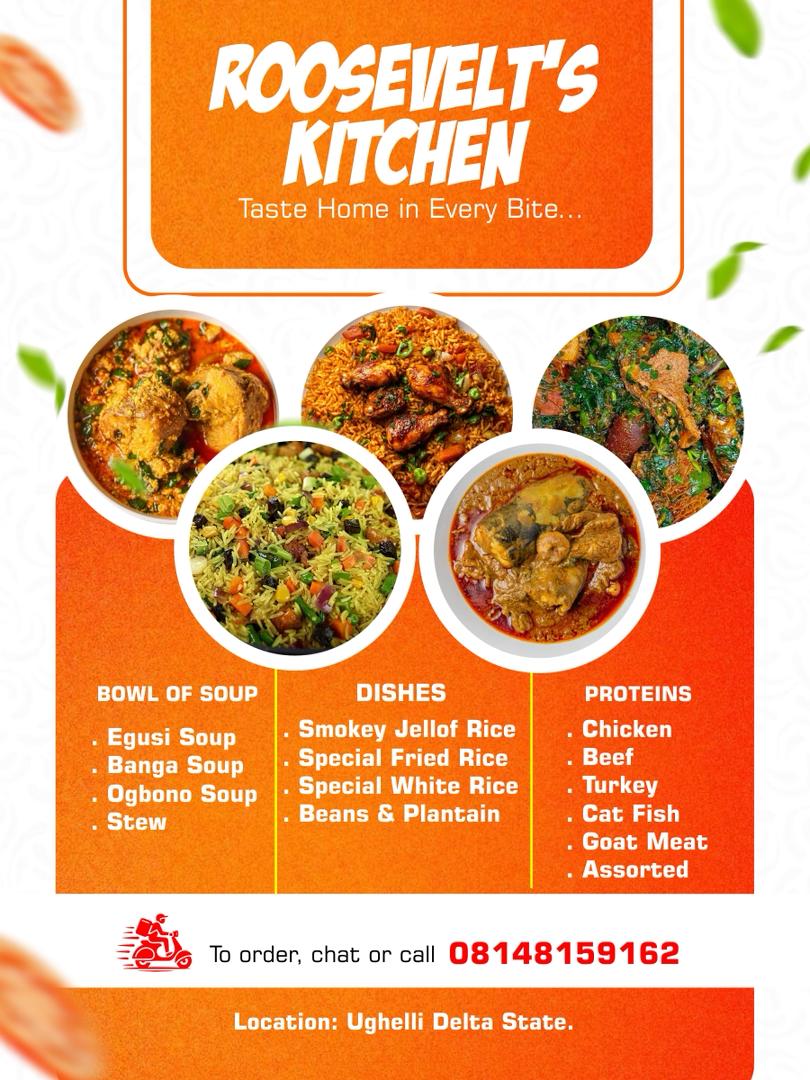
The objective is to make generated images more useful for practical design work. Posters, menus, presentations, infographics and social media graphics often require more than an attractive picture: text must be readable, elements must fit together, and the layout must suit its intended format.
Craft supports more than 30 aspect ratios, allowing users to generate images for different placements and platforms. Canva also says its outputs can be edited and refined, rather than treated only as finished pictures.
These capabilities could be useful to businesses producing promotional material, small companies without dedicated design teams, marketers and professional creatives. Their actual value, however, will depend on how reliably the model performs in everyday work.
Why Canva is investing in its own model
Developing an in-house model could give Canva greater control over a central part of its product. The platform has previously used multiple image-generation models, and the company says its own technology can improve its control over quality, speed and costs.
That cost question matters as AI-generated features become more deeply integrated into software products. Every generation requires computing resources, and reliance on external models can leave a platform dependent on providers’ pricing, capabilities and product decisions.
Canva has not disclosed how much Craft will save compared with its previous model arrangements. Any claim that the launch has already reduced costs by a particular amount would therefore be premature.
The company is also developing Craft-fast and Craft-ultrafast, variants intended to make image generation more cost-efficient. Canva says these are forthcoming versions, rather than products already available at launch.
Canva is entering a competitive market
Craft enters a field that includes image-generation systems from OpenAI, Google, ByteDance and Meta. Canva is approaching the market as a design platform, rather than simply offering a standalone image generator.
Its potential advantage lies in connecting image generation to the wider design workflow. Canva says generated images can be converted into layered designs through its image-to-design technology, allowing users to continue editing the result inside the platform.
The company also says Craft is available through Canva and its public API, creating opportunities for developers to incorporate the model into other products.
Canva’s announcement cites DesignArena rankings, where Craft debuted as the fourth-ranked image-generation model overall and performed strongly in selected categories. Those results offer one point of comparison, but they should not be treated as definitive proof that the model is best for every task. Performance can vary by prompt, image type and the requirements of a particular user.
What the launch means for businesses
For businesses, the promise of AI design tools is not simply the ability to create more images. It is the possibility of producing campaign assets, product graphics and other visual material more quickly, while retaining enough control to meet brand and communication requirements.
A model that handles text and composition more reliably could reduce the time users spend correcting generated images. But companies will still need to review the accuracy of text, the suitability of images, brand consistency and any rights or compliance concerns before publishing AI-generated material.
The launch also raises a broader competitive question. As design platforms develop their own AI models, the contest may increasingly be about how well those models fit into existing workflows, not only about the quality of a single generated image.
Canva has positioned Craft as a model built specifically for design. The next test is whether its claimed improvements translate into a consistently better user experience and a meaningful business advantage.
For now, the launch gives Canva greater ownership of a key part of its AI offering. Whether that investment delivers lasting savings and strengthens customer loyalty will depend on performance, adoption and the economics of running the model at scale.
What's Your Reaction?