
Trafficking Rings Fuel West Africa’s Begging Trade
Under a scorching sun near a Dakar bus station, sisters Fatiya and Rackya sit on the pavement hoping passersby will drop a few coins… The post Trafficking Rings Fuel West Africa’s Begging Trade appeared first on Latest Breaking News - News Central TV.


Under a scorching sun near a Dakar bus station, sisters Fatiya and Rackya sit on the pavement hoping passersby will drop a few coins into their hands.
The women, both in their thirties, fled conflict and economic hardship in the southern Nigerien town of Guidan Kaji six months ago, taking a bus to Senegal in search of survival.
Today, they wake at dawn in the working-class suburb of Keur Massar and travel 20 kilometres into the capital’s centre to beg.
Nearby, 31-year-old Adjiza cradles her one-year-old daughter on her lap, explaining in hesitant French and Wolof that she abandoned Niger’s capital, Niamey, because extreme poverty left her family with nothing.
Fatiya, Rackya, and Adjiza belong to a vast wave of women and children who have fled Niger for the streets of Senegal, Ghana, Ivory Coast, and Algeria—a migration that officials, police, and humanitarian workers say criminal human trafficking networks routinely exploit.
Illicit Trafficking of People
According to the United Nations, children account for over 60 per cent of trafficking victims in West Africa, with forced begging serving as the region’s most widespread form of exploitation.
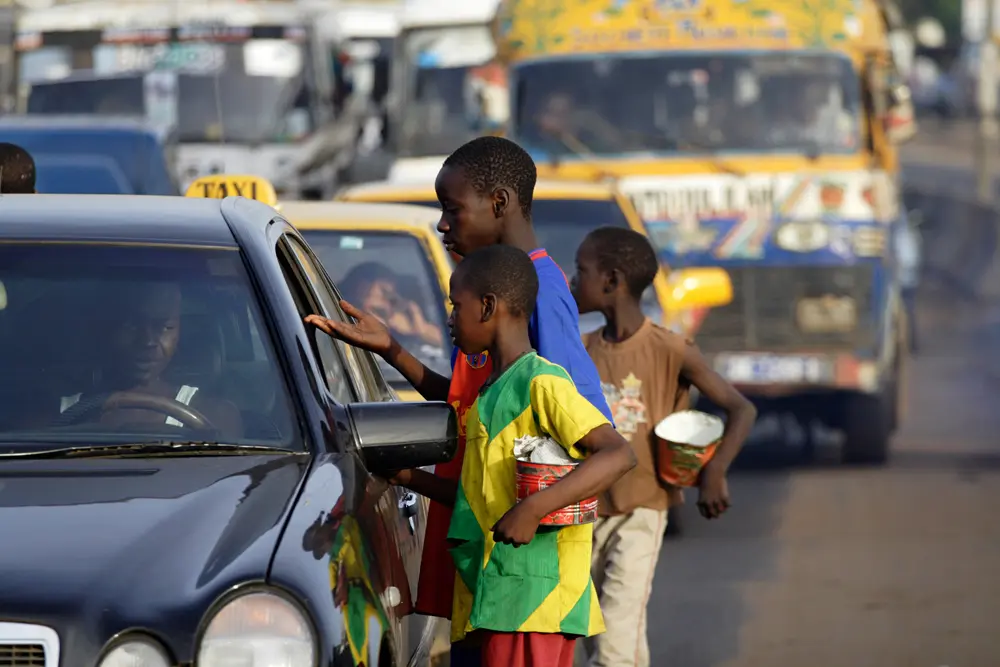
Across major cities, the operation follows a rigid pattern: young children, mostly girls speaking Hausa rather than French, press against car windows at traffic lights to ask motorists for cash. At the same time, an adult handler watches discreetly metres away.
Rachel Otto, an educator at the Dignity and Rights for Children Ivory Coast shelter in Abidjan, noted that the children follow strict orders and immediately refuse food offers in favour of money.
While economic droughts in the 1980s originally triggered cross-border begging from Niger, modern syndicates have turned desperation into a lucrative trap.
NGO officials in Niamey and Abidjan revealed that traffickers lure entire families onto buses with promises of a “promised land,” only to lock them into debt bondage to repay transport costs upon arrival.
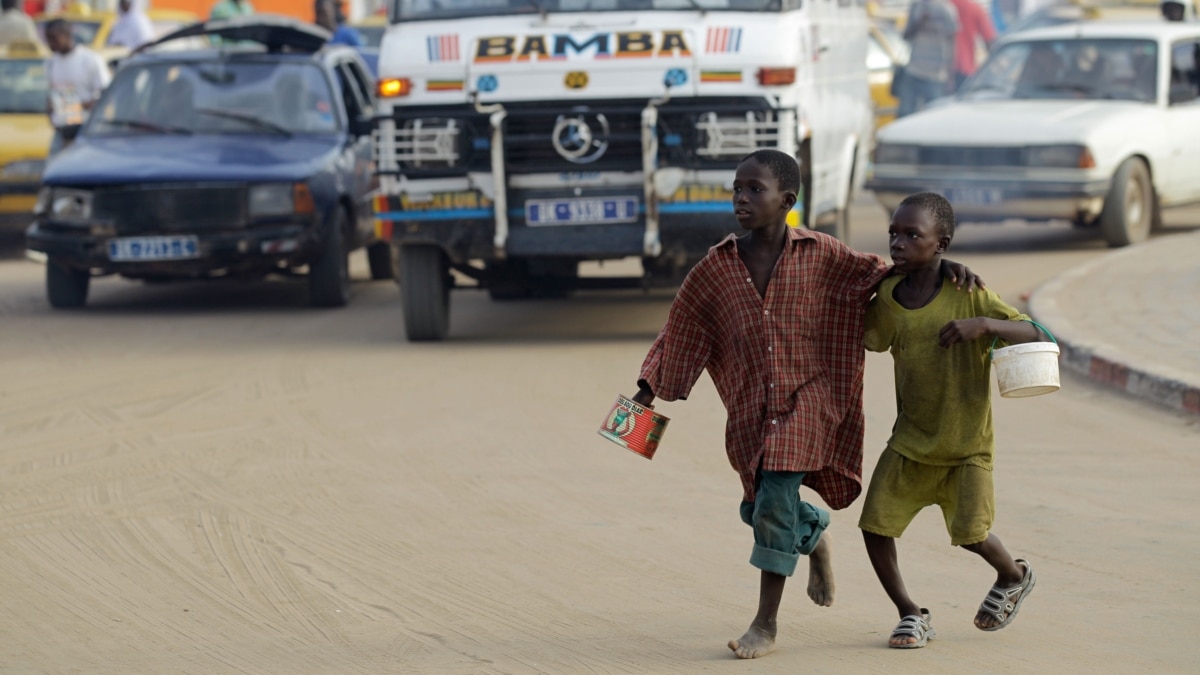
In 2022, Niger’s government blamed “organised mafia networks” for the crisis, and a retired Nigerien police officer described the trade to AFP as “illicit trafficking of people, organised by criminal groups, and nothing else.”
Global Law Enforcement
Global law enforcement has repeatedly uncovered the scale of the abuse, including a 2020 Interpol operation in Niamey that rescued over 200 trafficking victims—among them 46 minors—from forced begging and sexual exploitation.
Governments across the region have responded largely with crackdowns and deportations, yet advocates warn that policing alone fails to dismantle the syndicates.
Algeria has deported thousands of Nigerien beggars since 2014 under a bilateral agreement, Ghana chartered a special repatriation flight in August, and authorities in Senegal, Ivory Coast, and Niger regularly conduct street roundups—backed by a Nigerien penal code that sentences parents of arrested child beggars to five to 10 years in prison.
However, groups such as Senegal’s Action for Human Rights and Friendship urge authorities to prioritise victim protection and social support, arguing that repressive sweeps punish vulnerable families while leaving the underlying trafficking networks intact.
The post Trafficking Rings Fuel West Africa’s Begging Trade appeared first on Latest Breaking News - News Central TV.
What's Your Reaction?