
Inflation rises AGAIN just weeks after Budget as prices soar under John Healey
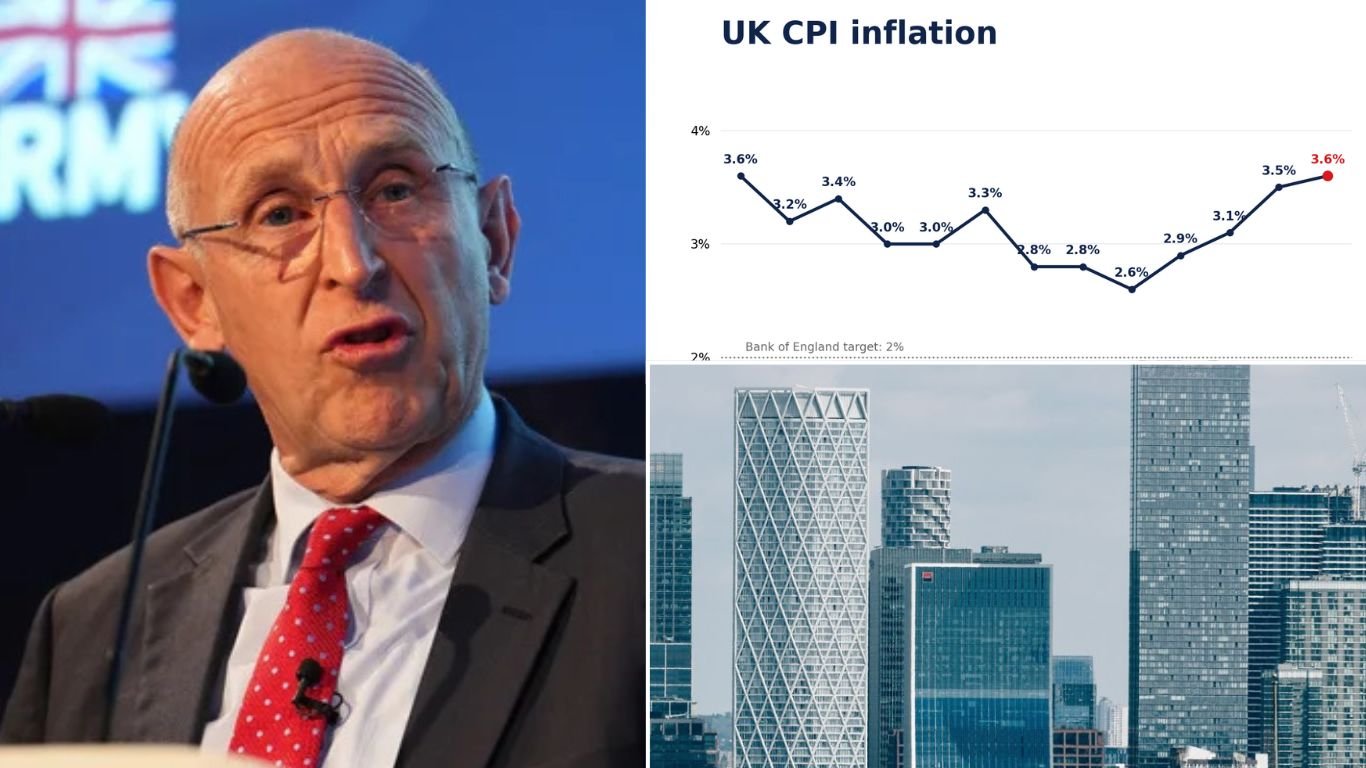
UK inflation has risen again as households prepare for the cost of Christmas and winter bills. Prices increased by 3.6 per cent in the year to October, adding pressure to already stretched budgets.UK inflation rose to 3.6 per cent in October, up from 3.5 per cent in September, as petrol and diesel costs and tobacco duty changes pushed prices higher.The Consumer Prices Index figure matched economists' predictions and marked the fourth consecutive monthly increase, according to the Office for National Statistics.The rise means prices are climbing faster, putting further pressure on household budgets.The average price of petrol increased by 5.2 pence per litre between September and October, as tensions in the Middle East continued to push oil prices higher.ONS chief economist Grant Fitzner said: "Inflation rose slightly in October, with fuel prices once again a major contributor to the increase in the annual rate."Annual costs of both raw materials and goods leaving factories continue to


UK inflation has risen again as households prepare for the cost of Christmas and winter bills.
Prices increased by 3.6 per cent in the year to October, adding pressure to already stretched budgets.
UK inflation rose to 3.6 per cent in October, up from 3.5 per cent in September, as petrol and diesel costs and tobacco duty changes pushed prices higher.
The Consumer Prices Index figure matched economists' predictions and marked the fourth consecutive monthly increase, according to the Office for National Statistics.
The rise means prices are climbing faster, putting further pressure on household budgets.
The average price of petrol increased by 5.2 pence per litre between September and October, as tensions in the Middle East continued to push oil prices higher.
ONS chief economist Grant Fitzner said: "Inflation rose slightly in October, with fuel prices once again a major contributor to the increase in the annual rate.
"Annual costs of both raw materials and goods leaving factories continue to climb, driven by higher crude oil and petrol prices, respectively."
Tamsin Powell, consumer finance expert at Creditspring, warned that even a small increase in inflation could hurt families.
She said: "This is another blow for households who have had little relief from the cost-of-living squeeze. It may look like a small rise on paper, but prices are climbing from a much higher base, and many families have no slack left in their budgets.
"With Budget measures still feeding through and borrowing costs uncertain, the answer isn't panic, it's preparation."
Creditspring's research found that 18 per cent of people cut back on food to afford social plans this year, while one in ten skipped meals altogether.
Ms Powell urged households to review their spending and seek help early if they were struggling.
Inflation has risen for four consecutive months, reaching its highest rate in a year. After falling to 2.6 per cent in June, it climbed to 2.9 per cent in July, 3.1 per cent in August and 3.5 per cent in September.

Joe Nellis, emeritus professor and head of economic research at accountancy firm MHA, said slowing wage growth and higher winter energy bills would add to the pressure on household budgets.
He said the Government's one-off £100 payment for around 20 million households in council tax bands A to D would provide some relief in early 2027. However, he warned that some people needing help could miss out.
"But this is a blanket measure, not one that targets households most in need," he said.
Professor Nellis highlighted lower-income households in expensive areas, including London and the South East, and people who are "asset-rich but cash-poor" as potential losers.
The latest rise could put further pressure on the Bank of England to increase interest rates again, with another rise possible in December.
The Bank raised its base rate from 3.75 per cent to four per cent earlier this month, its first increase since 2023.
Its November forecast puts inflation at around 4.5 per cent in the first quarter of 2027, before reaching five per cent between April and June.
Higher energy and fuel prices remain a concern. The Bank estimates they directly accounted for around one percentage point of September's 3.5 per cent inflation rate.
For savers, rising prices can reduce what their money will buy, particularly if their accounts pay little interest.
Lawrence Chan, head of savings at Nottingham Building Society, said: "For savers, the challenge is that inflation at this level erodes the real value of their cash that isn't earning at a competitive rate."
He urged households to consider what their savings were for. Money needed in an emergency should remain accessible, while those saving for longer could review their returns and any tax due on interest.
Mr Chan added: "Whatever Wednesday’s figure, it is a good prompt to review where your money is held, what it is earning and whether it still fits your needs."
The inflation figures follow stronger economic growth. The UK economy grew by 0.7 per cent between July and September, up from 0.5 per cent in the previous three months.
However, the latest jobs figures showed a mixed picture. Unemployment fell to 4.6 per cent, while vacancies declined and annual pay growth excluding bonuses slowed to 3.5 per cent.
This is a breaking story; more to follow...
Our Standards: The GB News Editorial Charter
What's Your Reaction?